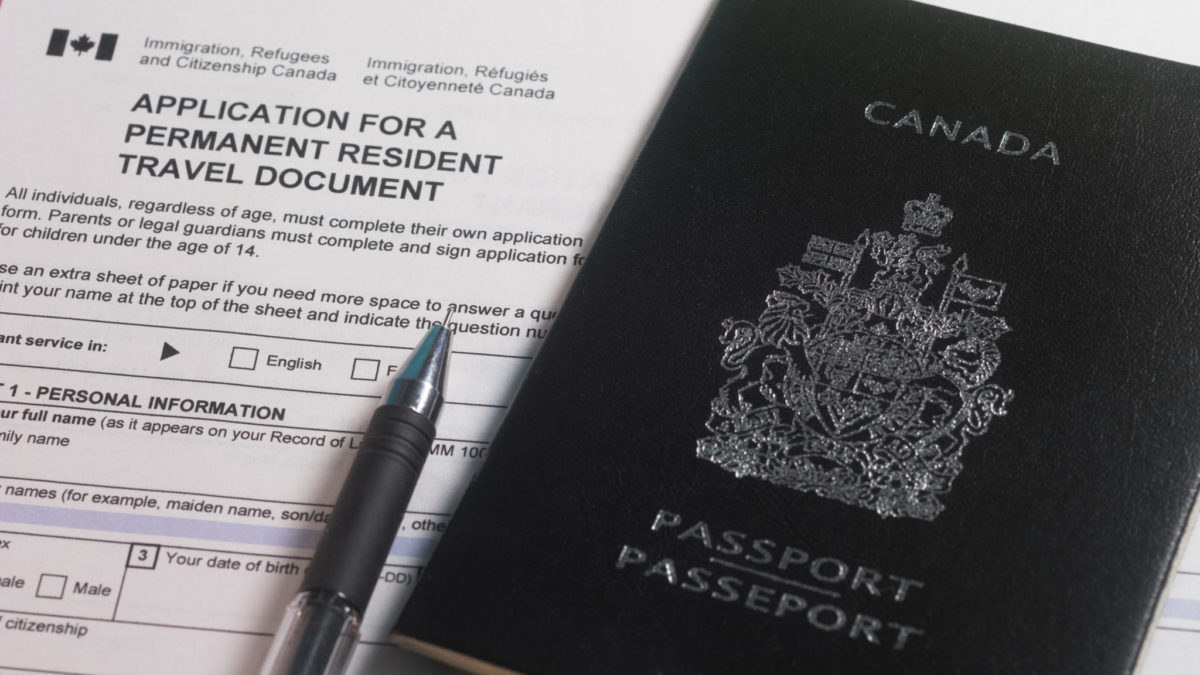
Canadian Permanent Residency (PR) is one of the most sought-after immigration statuses in the world, offering individuals the right to live, work, and study in Canada permanently. However, many permanent residents choose to spend extended periods outside Canada for work, family, or personal reasons. This raises an important question: how can you maintain Canadian PR status while living abroad?
Maintaining PR status is not automatic. Canada has strict residency obligations that determine whether a permanent resident can keep their status or risk losing it. Understanding these rules is essential for anyone who plans to live outside Canada temporarily or long-term.
This comprehensive guide explains how Canadian PR status works, the residency obligation rules, allowable exceptions, travel considerations, documentation requirements, and practical strategies to help you maintain your status while abroad.
What Is Canadian Permanent Residency?
Canadian Permanent Residency allows a foreign national to live and work anywhere in Canada without being a citizen. Permanent residents enjoy many rights, including:
- Living and working anywhere in Canada
- Access to healthcare (in most provinces)
- Protection under Canadian law
- Ability to apply for Canadian citizenship after meeting requirements
Official information is available through:
https://www.canada.ca/en/immigration-refugees-citizenship/services/new-immigrants.html
However, PR status comes with obligations, especially regarding physical presence in Canada.
The PR Residency Obligation Rule
The most important rule for maintaining PR status is the residency obligation.
Under Canadian immigration law, permanent residents must be physically present in Canada for at least:
- 730 days (2 years) within every 5-year period
This does NOT mean the 2 years must be continuous. Days can be accumulated over time.
Why the Residency Obligation Matters
The residency obligation ensures that permanent residents maintain a genuine connection to Canada.
Failure to meet this requirement may result in:
- Loss of PR status
- Difficulty re-entering Canada
- Removal orders in severe cases
Counting Days Outside Canada
Not all time spent outside Canada automatically disqualifies you.
Certain situations allow you to count time abroad toward the 730-day requirement.
Situations Where Time Abroad Still Counts
You may still meet residency requirements while outside Canada if you are:
1. Accompanying a Canadian Citizen Spouse or Common-Law Partner
Time spent outside Canada with a Canadian citizen spouse may count toward PR residency obligations.
2. Employed by a Canadian Business
If you are employed full-time by a Canadian company or federal/provincial public service, your time abroad may count.
3. Accompanying a PR Spouse Working for a Canadian Company
In some cases, dependents may also benefit from this rule.
How Canadian Authorities Assess PR Status
When returning to Canada, border officers may assess whether you have met residency obligations.
They may consider:
- Travel history
- Passport stamps
- Entry/exit records
- Employment history abroad
- Ties to Canada
Permanent Resident Card vs PR Status
It is important to understand the difference:
PR Card
- A travel document
- Usually valid for 5 years
- Used for re-entry into Canada
PR Status
- Legal immigration status
- Can exist even if PR card expires
You can lose PR status even if your PR card is still valid.
Renewing Your PR Card While Abroad
You must be physically in Canada to renew your PR card in most cases.
If your card expires while abroad:
- You may need a Permanent Resident Travel Document (PRTD) to return
What Is a Permanent Resident Travel Document (PRTD)?
A PRTD allows PR holders outside Canada without a valid PR card to return.
To apply, you must:
- Prove PR status
- Demonstrate residency obligation compliance
Official information is available through:
https://www.canada.ca/en/immigration-refugees-citizenship/services/application/application-forms-guides/application-permanent-resident-travel-document.html
Risks of Staying Too Long Outside Canada
If you remain outside Canada for too long, you risk:
- Failing residency obligations
- Losing PR status upon review
- Difficulty re-entering Canada
- Losing eligibility for citizenship
How PR Status Can Be Lost
PR status may be revoked if:
- You fail to meet 730-day residency rule
- You are found inadmissible (criminal/security grounds)
- You voluntarily renounce PR status
Appeals If PR Status Is Questioned
If authorities determine you have not met residency obligations, you may:
- Appeal to the Immigration Appeal Division (IAD)
- Provide humanitarian and compassionate reasons
Humanitarian and Compassionate Considerations
Even if you do not meet residency requirements, Canada may allow you to retain PR status if there are strong humanitarian reasons such as:
- Family obligations
- Medical issues
- Employment hardship
- Unavoidable travel restrictions
Strategies to Maintain PR While Abroad
1. Track Your Days Carefully
Keep a detailed record of all travel dates.
2. Return to Canada Regularly
Plan periodic returns to maintain physical presence.
3. Maintain Strong Canadian Ties
Examples include:
- Property ownership
- Bank accounts
- Employment
- Family connections
4. Avoid Long Continuous Absences
Extended uninterrupted stays abroad increase risk of non-compliance.
5. Keep Employment Linked to Canada
Working for Canadian employers abroad may help preserve residency credit.
Can You Lose PR Status Without Knowing?
Yes. Many individuals lose PR status only when:
- Applying for renewal
- Re-entering Canada
- Applying for citizenship
PR Status and Canadian Citizenship
To apply for citizenship, you must:
- Meet physical presence requirements
- Maintain valid PR status
Common Misunderstandings About PR Status
“My PR card is valid so I am safe”
False. PR status depends on residency compliance, not card validity.
“I can live outside Canada indefinitely”
False. The 730-day rule applies strictly.
“I can reset my residency clock anytime”
False. Time is continuously assessed over a rolling 5-year period.
Special Cases and Exceptions
Accompanying Canadian Citizen Abroad
Time abroad may still count toward residency obligations.
Employment with Canadian Government or Business
May count toward residency requirements if conditions are met.
Processing Time for PR Status Reviews
Reviews can occur at:
- Airport entry points
- PR card renewal applications
- PRTD applications
Tips for Protecting PR Status
Plan Long-Term Residency Strategy
Do not rely on last-minute compliance.
Consult Immigration Professionals
Complex cases may require legal advice.
Keep Documentation Organized
Maintain travel logs and employment records.
Monitor 5-Year Rolling Window
Always calculate residency over the past 5 years, not calendar years.
Frequently Asked Questions
How many days must I stay in Canada to keep PR?
You must stay at least 730 days in Canada within every 5-year period.
Can I live outside Canada as a PR?
Yes, but only within residency rules.
What happens if I fail the residency requirement?
You may lose your PR status after review.
Can I return to Canada if my PR card expires abroad?
Yes, but you may need a PRTD.
Does working for a Canadian company abroad count?
In some cases, yes, if specific conditions are met.
Conclusion
Maintaining Canadian Permanent Resident status while living abroad requires careful planning, strict adherence to residency obligations, and ongoing awareness of immigration rules. While Canada allows permanent residents to travel and live abroad for periods of time, the 730-day residency requirement ensures that PR holders maintain a meaningful connection to the country.
By tracking travel days, maintaining ties to Canada, and understanding exceptions such as accompanying Canadian citizens or working for Canadian employers, PR holders can significantly improve their chances of retaining their status.
Ultimately, successful maintenance of Canadian PR status depends on proactive management, informed decision-making, and compliance with immigration regulations. Those who plan carefully can enjoy global mobility while preserving their pathway to Canadian citizenship.