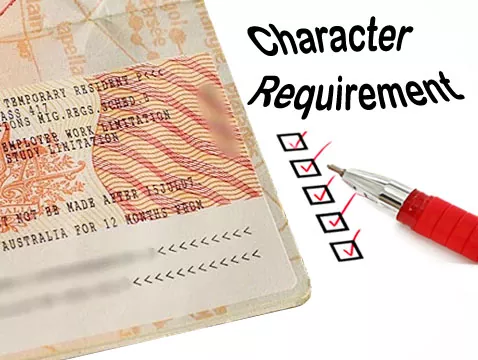
Australia places strong emphasis on integrity, public safety, and national security in its immigration system. One of the key requirements for most visa applicants is the Character Test, which is used to assess whether an individual is of good character and suitable to enter or remain in Australia.
The Character Test is a legal requirement under the Australian Migration Act 1958 and applies to both temporary and permanent visa applicants. It is designed to ensure that individuals who may pose a risk to the Australian community are identified before a visa is granted or continued.
This comprehensive guide explains how the Australian Character Test works, what factors are considered, how visa refusals can occur, and what applicants can do if they are found not to meet the character requirements.
What Is the Australian Character Test?
The Character Test is a set of legal criteria used by the Australian Department of Home Affairs to determine whether a visa applicant is of good character.
It is outlined in Section 501 of the Migration Act 1958.
Official information is available through:
https://www.homeaffairs.gov.au/trav/visa/char
The test applies to:
- Temporary visa applicants
- Permanent visa applicants
- Bridging visa holders
- Visa cancellation cases
Why the Character Test Exists
Australia uses the Character Test to:
- Protect public safety
- Maintain national security
- Prevent criminal activity
- Ensure community trust in immigration
- Manage risks related to visa holders
It is not based on nationality but on individual behavior, history, and risk assessment.
Legal Framework: Section 501 of the Migration Act
The Character Test is governed by Section 501 of the Migration Act 1958.
Under this law, the Minister for Home Affairs or delegated officers can refuse or cancel a visa if an applicant fails the Character Test.
Key Factors Considered in the Character Test
The Australian government evaluates multiple factors when applying the Character Test.
1. Criminal Record
Authorities assess whether the applicant has:
- Been convicted of criminal offences
- Served prison sentences
- Pending criminal charges
- Violent or serious offences
2. Substantial Criminal Record
An applicant may automatically fail the Character Test if they have a substantial criminal record, which may include:
- Long-term imprisonment sentences
- Multiple convictions
- Serious violent offences
3. Association With Criminal Organizations
Visa applicants may be assessed if they have links to:
- Criminal gangs
- Terrorist organizations
- Organized crime groups
4. Risk to the Australian Community
Authorities consider whether the person may:
- Engage in criminal conduct
- Pose a security threat
- Harm individuals or public safety
5. Immigration History
Previous visa breaches may affect character assessment, including:
- Overstaying visas
- Providing false information
- Breaching visa conditions
6. General Conduct and Behavior
Authorities may consider:
- Past behavior patterns
- Evidence of dishonesty
- Compliance with laws in other countries
Automatic Failure of the Character Test
An applicant may automatically fail the Character Test if they have:
- A substantial criminal record
- Been convicted of serious offences with long sentences
- Associations with terrorism-related activities
Discretionary Refusal Under Character Grounds
Even if an applicant does not automatically fail, the Minister may still refuse a visa if there is a reasonable suspicion that the person is not of good character.
Character Test for Different Visa Types
The Character Test applies to many visa categories, including:
- Student visas
- Skilled migration visas
- Partner visas
- Visitor visas
- Permanent residency applications
Police Clearance Certificates
Most applicants must provide police certificates from every country they have lived in for 12 months or more in the past 10 years.
These certificates help assess criminal history.
When Additional Information Is Requested
The Department of Home Affairs may request:
- Court documents
- Police reports
- Personal statements
- Character references
Notice of Intention to Consider Refusal (NOICC)
If there are concerns, the applicant may receive a NOICC letter.
This gives the applicant a chance to respond before a final decision is made.
How to Respond to Character Concerns
Applicants may respond by providing:
- Explanations of past conduct
- Rehabilitation evidence
- Character references
- Legal documentation
Character Test and Visa Cancellation
The Character Test is also used to cancel visas already granted.
Visa cancellation may occur if:
- New criminal activity is discovered
- False information was provided
- Security concerns arise
Mandatory Visa Cancellation Rules
Some cases require mandatory cancellation, especially when:
- The person has been sentenced to a long prison term
- The person is considered a serious risk to the community
Discretionary Cancellation Powers
In other cases, the Minister has discretion to cancel or not cancel a visa based on circumstances.
Appeals and Review Options
If a visa is refused or cancelled, applicants may be able to seek review through:
- Administrative Appeals Tribunal (AAT)
- Judicial review in courts
Character Test and Immigration Detention
In some cases, individuals who fail the Character Test may be detained while awaiting removal or appeal outcomes.
Rehabilitation and Good Character Evidence
Applicants may demonstrate rehabilitation through:
- Completion of sentences
- Community service
- Employment history
- Counseling or treatment programs
- Positive community references
Character Test for Permanent Residency
Permanent residency applicants are closely assessed, especially due to long-term settlement intentions.
A failure may significantly affect future migration pathways.
Character Test for Citizenship
Applicants for Australian citizenship must also meet good character requirements.
Common Reasons for Character Test Issues
- Criminal convictions
- Fraud or misrepresentation
- Immigration breaches
- Security concerns
- Associations with criminal groups
How Long Does Character Assessment Take?
Processing depends on:
- Complexity of background
- Criminal history checks
- International police clearances
- Security assessments
It may take weeks or months.
Tips for Passing the Character Test
Be Honest in Applications
Always provide accurate information.
Provide Complete Police Checks
Submit all required documents early.
Address Past Issues Clearly
Explain any previous incidents honestly.
Demonstrate Rehabilitation
Show positive behavior changes.
Seek Legal Advice if Needed
Migration agents or lawyers can help prepare responses.
Frequently Asked Questions
What is the Australian Character Test?
It is a legal assessment used to determine whether a visa applicant is of good character.
Can I get a visa with a criminal record?
It depends on the severity and nature of the offence.
What happens if I fail the Character Test?
Your visa may be refused or cancelled.
Do all visas require a Character Test?
Most Australian visas require character assessment.
Can I appeal a Character Test refusal?
Yes, in many cases through the AAT or courts.
Conclusion
The Australian Character Test is a fundamental part of the country’s immigration system, ensuring that individuals entering or remaining in Australia meet strict standards of safety, integrity, and lawful behavior.
While a criminal record or past immigration issues may affect eligibility, each case is assessed individually based on evidence, risk, and rehabilitation.
Understanding the Character Test requirements, preparing accurate documentation, and responding effectively to any concerns can significantly improve an applicant’s chances of a successful visa outcome.
As Australia continues to prioritize national security and public safety, the Character Test remains a central pillar of its immigration policy framework.