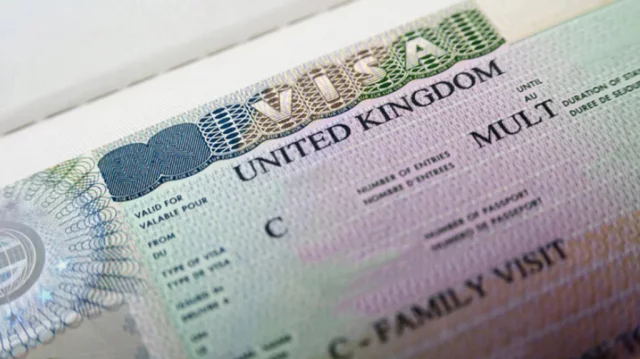
The UK Standard Visitor Visa is one of the most commonly used visa categories, designed for individuals who wish to travel to the United Kingdom for a short stay. This visa allows entry for purposes such as tourism, visiting family or friends, attending business meetings, participating in short courses, or receiving private medical treatment. Although the visa appears straightforward, a significant number of applications are refused each year due to poor documentation, weak evidence of intent, or misunderstanding of the requirements. Understanding the application process and the supporting documents expected by UK Visas and Immigration is essential for a successful outcome.
What Is the UK Standard Visitor Visa
The Standard Visitor Visa permits short-term stays in the UK for up to six months. In certain circumstances, such as for academics or private medical treatment, longer stays may be granted under specific visitor subcategories. The visa does not allow paid employment, long-term study, or access to public funds. Official eligibility rules and permitted activities are outlined on the UK government website at https://www.gov.uk/standard-visitor. Applicants must demonstrate that they intend to leave the UK at the end of their visit and that their activities comply strictly with visitor rules.
Who Needs a Standard Visitor Visa
Nationals of many countries require a visa before traveling to the UK as visitors. Visa nationals must apply in advance, while non-visa nationals may seek entry at the border but are still subject to the same rules. Even where a visa is not required, border officers assess credibility and documentation. Checking nationality requirements in advance via https://www.gov.uk/check-uk-visa is an important first step before planning travel.
Permitted Activities Under the Visitor Visa
Holders of a Standard Visitor Visa may engage in tourism, leisure travel, visiting relatives or friends, attending business meetings, conferences, or training, participating in unpaid academic activities, enrolling in short recreational courses lasting no more than 30 days, and receiving private medical treatment. Activities such as working for a UK employer, selling goods or services, undertaking long-term study, or marrying without the appropriate marriage visitor visa are strictly prohibited and can lead to refusal or future bans.
Core Eligibility Requirements
To qualify for a Standard Visitor Visa, applicants must prove that they will leave the UK at the end of their visit, that they can financially support themselves during their stay without working or accessing public funds, that they have funds for return travel, and that they will not make the UK their main home through frequent or successive visits. Immigration officers assess credibility based on documents, travel history, and personal circumstances.
The Online Application Process
The application is completed online through the UK Visas and Immigration portal at https://www.gov.uk/apply-to-come-to-the-uk. Applicants create an account, complete the visitor visa form, pay the application fee, and book a biometric appointment at a visa application centre. During the appointment, fingerprints and photographs are taken, and supporting documents are submitted digitally or physically depending on the country of application. Accuracy in completing the form is critical, as inconsistencies between the form and documents often lead to refusals.
Passport and Travel History Documents
A valid passport is mandatory and should have at least one blank page for the visa vignette. Applicants should also submit previous passports if available, especially if they show travel to countries such as the UK, Schengen states, the US, or Canada. A strong travel history can support credibility, while unexplained overstays or refusals may raise concerns. If there are previous refusals, they must be declared honestly.
Proof of Purpose of Visit
Applicants must clearly explain why they are traveling to the UK. Supporting documents depend on the purpose stated. Tourists may submit a travel itinerary, hotel reservations, or invitation letters from friends or family. Business visitors should provide invitation letters from UK companies, conference registration confirmations, or meeting schedules. Family visitors should include an invitation letter from the host, along with proof of the host’s immigration status and address. All documents should align closely with the stated purpose in the application form.
Financial Evidence Requirements
Financial documents are among the most scrutinized aspects of a visitor visa application. Applicants must provide recent bank statements, typically covering the last six months, showing sufficient funds to cover accommodation, daily expenses, and return travel. There is no fixed minimum balance, but funds must be realistic in relation to income and travel plans. Salary slips, employment letters, or business income documents help explain the source of funds. Large unexplained deposits often lead to refusals.
Employment and Economic Ties
Evidence of strong ties to the home country is critical in demonstrating intent to return. Employed applicants should submit an employment letter confirming position, salary, length of employment, and approved leave dates. Self-employed individuals may provide business registration documents, tax records, and bank statements. Students should submit enrollment letters from their institutions. These documents reassure decision-makers that the applicant has compelling reasons to leave the UK after the visit.
Accommodation and Travel Plans
While fully paid bookings are not mandatory, applicants should show credible accommodation arrangements. This may include hotel reservations, a letter from a host confirming accommodation, or proof of property ownership by the host. Flight bookings can be provisional, and applicants are advised not to purchase non-refundable tickets before receiving a decision. The UK government does not require confirmed flights, only evidence of realistic travel plans.
Invitation Letters and Sponsor Documents
If someone in the UK is sponsoring or hosting the visit, an invitation letter should explain the relationship, purpose of the visit, and duration of stay. Supporting documents from the host may include a copy of their passport or residence permit, proof of address, and evidence of financial ability if they are covering costs. The sponsor’s documents must be consistent and verifiable, as credibility issues with the host can affect the applicant’s outcome.
Additional Documents for Special Cases
Certain applicants may need extra documents. Minors must provide parental consent letters and birth certificates. Medical visitors must submit letters from UK medical providers detailing treatment plans and costs. Applicants with complex immigration histories may need legal explanations or supporting statements. Where documents are not in English, certified translations are mandatory.
Common Reasons for Visitor Visa Refusal
Visitor visas are commonly refused due to insufficient financial evidence, weak ties to the home country, unclear purpose of visit, inconsistencies between documents and application statements, or suspicion that the applicant intends to work or overstay. Refusal notices usually reference paragraph V4.2 of the Immigration Rules, which sets out general visitor requirements. Understanding these reasons helps applicants avoid repeat mistakes.
Processing Time and Decision Outcomes
Standard processing times vary by country but typically range from two to three weeks. Priority services may be available at an additional cost. If approved, the visa vignette is placed in the passport. If refused, applicants receive a refusal letter explaining the reasons. Most visitor visa refusals do not carry a right of appeal, but reapplication is permitted if circumstances or evidence improve. Guidance on refusals and reapplications can be found at https://www.gov.uk/immigration-asylum-tribunal.
Practical Tips for a Strong Application
Applicants should ensure consistency across all documents, avoid submitting unnecessary or misleading information, and focus on clarity and credibility. Bank statements should be well-organized, invitation letters concise, and explanations truthful. Professional presentation of documents and careful review of the application before submission significantly improve approval chances.
Conclusion
The UK Standard Visitor Visa application process requires careful preparation, honest disclosure, and well-structured supporting documents. While the visa is temporary, the scrutiny applied by UK Visas and Immigration is strict, with a strong focus on intent, financial capacity, and ties to the home country. By understanding the rules, preparing relevant evidence, and aligning documents clearly with the stated purpose of travel, applicants can navigate the process confidently and improve their chances of a successful outcome.