
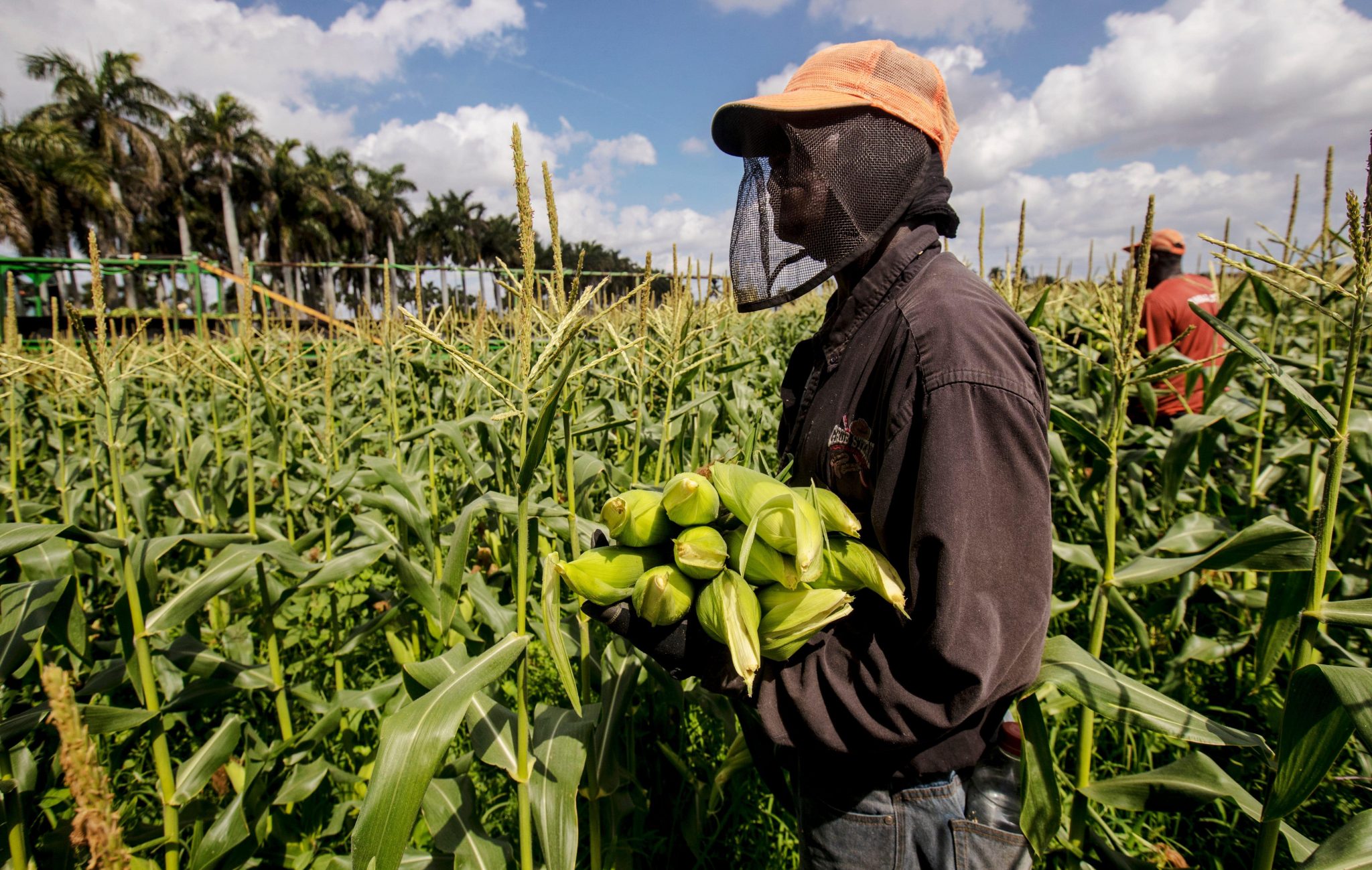
For years, seasonal farm work in Australia was mostly associated with backpackers, gap-year travelers, and temporary visa workers looking for short-term employment. But in recent times, a surprising shift has begun to unfold. As Australia faces chronic labor shortages in its agriculture sector and as the government continues refining skilled migration pathways seasonal farm work has quietly become an unexpected and increasingly viable stepping-stone toward permanent residency.
This transformation is driven by labor demands, regional migration incentives, new visa programs, and state-specific policies that create opportunities for foreign workers willing to take on hands-on farm roles. For many migrants, farm work is no longer just a way to earn quick money; it is becoming a strategic path toward building a long-term life in Australia.
In this detailed article, we explore exactly how seasonal agricultural work is evolving into a residency pathway, why it matters, who qualifies, and what migrants should know before considering this route.
The Growing Importance of Agricultural Labor in Australia
Agriculture is one of the foundational industries of Australia’s economy, contributing heavily to exports and regional employment. Yet for over a decade, farmers across the country have battled severe labor shortages. Demand peaks during harvest seasons, especially in fresh produce regions such as Queensland, Victoria, Tasmania, and South Australia when farms need thousands of workers for picking, packing, and processing.
The shortage became more severe after 2020, as border closures drastically reduced the number of working holidaymakers entering the country. In response, the government began strengthening formal labor mobility programs designed to match overseas workers with Australian farms. The growing reliance on international labor has, over time, encouraged policymakers to consider more permanent migration solutions for those who commit to long-term employment in regional Australia.
Australia’s Department of Home Affairs acknowledges these labor shortages and highlights the role of temporary and skilled migration in supporting rural industries:
https://immi.homeaffairs.gov.au/
Why Seasonal Farm Work Is Gaining Prominence in Migration Pathways
It may seem unconventional that physically demanding farm work typically not classified as “skilled employment” could lead toward residency. But several factors explain why this path is becoming more common.
Agriculture Has Become a Priority Sector in Regional Australia
Regional development is a major focus of Australia’s long-term migration strategy. Many rural areas face declining populations and desperately need workers to sustain their local industries. Seasonal farm workers who stay in a region for multiple seasons often become valuable contributors to the local economy.
Because of this, migrants willing to work and remain in regional areas are increasingly being prioritized through visas such as:
- Skilled Regional (Provisional) visa (subclass 491)
https://immi.homeaffairs.gov.au/visas/getting-a-visa/visa-listing/skilled-work-regional-provisional-491
These visas do not require the applicant to be a farm worker specifically. However, living and working in regional areas is essential and seasonal farm jobs allow migrants to meet this requirement while earning and integrating into the local community.
Increased Recognition of Agricultural and Regional Labor in State Nomination Programs
States and territories nominate skilled migrants based on their labor needs. While farm work itself may not qualify as a “skilled occupation,” consistent employment in regional agriculture can strengthen an applicant’s profile, especially in states experiencing severe shortages.
States like South Australia and Tasmania openly state in their migration programs that continued commitment to regional work strengthens nomination eligibility.
South Australia’s skilled migration program:
https://www.migration.sa.gov.au/
Tasmania’s skilled migration program:
https://www.migration.tas.gov.au/
A person who begins as a seasonal farm worker may later:
- Progress into supervisory or machinery operation roles
- Acquire Australian qualifications in agriculture
- Secure employer sponsorship from large agricultural companies
- Become eligible for regional skilled visas
Farm work becomes the entry point into a broader agricultural career that can be recognized under skilled occupation lists.
Agricultural Employers Are Expanding Sponsorship Options
Large farms, vineyards, packing sheds, and agribusiness companies are increasingly prepared to sponsor international workers for long-term roles. They typically sponsor under:
- Employer Nomination Scheme (subclass 186)
https://immi.homeaffairs.gov.au/visas/getting-a-visa/visa-listing/employer-nomination-scheme-186
While casual picking roles do not qualify for sponsorship, agricultural supervisors, irrigation technicians, farm machinery operators, and horticulture specialists do.
Many workers begin as seasonal pickers and, after proving reliability, move into stable, higher-skilled roles that make them eligible for employer-sponsored pathways.
The Pacific Australia Labor Mobility Scheme (PALM) Is Creating Long-Term Pathways
One of the biggest drivers of the new residency trend is the Pacific Australia Labor Mobility (PALM) scheme, which brings workers from Pacific Island countries and Timor-Leste to fill agricultural labor shortages.
Although PALM is not a residency visa, several policy discussions and pilot initiatives have been exploring longer-term settlement options for eligible workers who commit to working and living in regional Australia. Some states have already begun supporting PALM workers through skills training, English development, and pathways into regional employment that may later qualify for skilled visas.
While PALM is not a guaranteed residency route, it has become one of the most visible entry points into the Australian labor market especially for workers who later transition into higher-skilled agricultural roles.
How Seasonal Farm Work Can Lead to Permanent Residency
It is important to clarify seasonal farm work does NOT directly grant permanent residency.
However, it can serve as a strategic foundation for several pathways.
Here is how it works:
1. Meeting Regional Visa Requirements
Seasonal workers can meet residency requirements by:
- Living in a designated regional area
- Working consistently for Australian employers
- Building ties to local communities
- Acquiring local references and employment records
These factors are highly valued in regional skilled visa nominations.
2. Transitioning Into Skilled Agricultural Roles
Agriculture is more than fruit picking. It includes:
- Agricultural machinery operation
- Livestock management
- Horticulture supervision
- Irrigation system maintenance
- Vineyard and winery operations
- Agribusiness logistics
- Farming technology roles
Workers who upgrade their skills either through experience or through Australian qualifications—can become eligible under skilled occupation lists, enabling them to apply for employer sponsorship or skilled visas.
3. Employer Sponsorship Through Regional Agribusinesses
Many large farms struggle to secure long-term labor and are willing to sponsor workers who:
- Show reliability over multiple seasons
- Take up full-time roles
- Move into skilled or semi-skilled positions
- Commit to staying in the region
This makes seasonal work the first step in proving work ethic and earning employer trust.
4. Pathway Through Australian Agricultural Training
Workers who study agriculture, horticulture, or farming operations in Australia can transition from seasonal work to educational qualifications and eventually apply for skilled visas.
Relevant pathways include:
- Certificate III/IV in Agriculture
- Diploma of Horticulture
- Diploma of Agribusiness Management
Once qualified, workers become eligible for state nomination or employer-sponsored visas related to agriculture.
Why Migrants Are Choosing Seasonal Farm Work as a Residency Strategy
Seasonal farm work is attracting migrants for several reasons:
It Offers Easy Entry into the Labor Market
Unlike many industries that require licensing, degrees, or advanced experience, seasonal picking and packing roles offer:
- Quick onboarding
- No strict skill requirements
- Immediate work availability
- Opportunities to transition into better positions
For new migrants, this provides a practical way to integrate into Australia’s workforce.
It Helps Build Regional Experience, Which Is Highly Valued
Migrants who live and work in regional Australia often gain:
- Additional migration points
- Better chances of state nomination
- Access to regional-only visas
- Higher priority processing in some programs
Seasonal farm work naturally places workers in these high-opportunity regional zones.
Farm Work Provides Financial Stability While Planning Migration
Agricultural roles often offer:
- Consistent overtime
- Free or subsidized accommodation
- Group transport
- Seasonal bonuses
- Opportunities for multiple contracts across different regions
This financial stability allows migrants to save for visa applications, skills assessments, and educational pathways.
Strong Community Support in Regional Areas
Regional communities often provide:
- Support networks for migrant workers
- Access to local training programs
- Sponsorship opportunities
- Settlement assistance
This makes it easier for workers to integrate and pursue long-term residency.
Realistic Expectations: What Farm Work Can and Cannot Do
It is important to be clear and accurate about the possibilities.
Farm Work CAN:
- Help you live in a regional area
- Build your work history and references
- Open doors to skilled or sponsored roles
- Lead to long-term agricultural careers
- Position you for regional visas
- Connect you with employers who may sponsor you
Farm Work CANNOT:
- Automatically grant PR
- Replace the need for skills qualification
- Guarantee state nomination
- Bypass skilled occupation requirements
Seasonal farm work is a supporting pathway, not a direct one.
Challenges Migrants Should Be Aware Of
While the opportunities are genuine, farm work can come with challenges:
- Long working hours
- Physically demanding labor
- Seasonal fluctuations in availability
- Remote work locations
- Need for reliable transport
- Weather-dependent income
Migrants considering this route should be prepared for the realities of agricultural work.
The Future of Seasonal Farm Work in Australia’s Immigration Landscape
Australia is progressively shifting toward migration models that favor regional development. Agricultural labor shortages are ongoing, and government policy continues to evolve to support both workers and employers.
Given these trends, seasonal farm work is likely to become an even stronger stepping-stone into the country’s long-term migration system.
Several policy directions suggest this:
- Expansion of regional skilled migration quotas
- Increased support for agricultural training and qualifications
- Growing interest in transitioning temporary workers into permanent roles
- Recognition of long-term contribution to rural economies
- Tightening of skilled visa requirements in urban areas, pushing more migrants to regional zones
What began as short-term seasonal jobs is now becoming part of Australia’s broader immigration and workforce strategy.
Final Thoughts
Seasonal farm work in Australia is no longer just a temporary solution for labor shortages. It is quietly emerging as an unexpected but highly practical entry point for migrants who are willing to work in regional areas, develop their skills, and seize opportunities offered by employers and state governments.
While farm work does not directly guarantee permanent residency, it lays the foundation for multiple viable pathways including employer sponsorship, skilled regional visas, and agricultural career progression.
For many migrants, this pathway represents a realistic and achievable way to build a life in Australia starting from the fields and growing into long-term settlement.
 Feranmi Nureni