
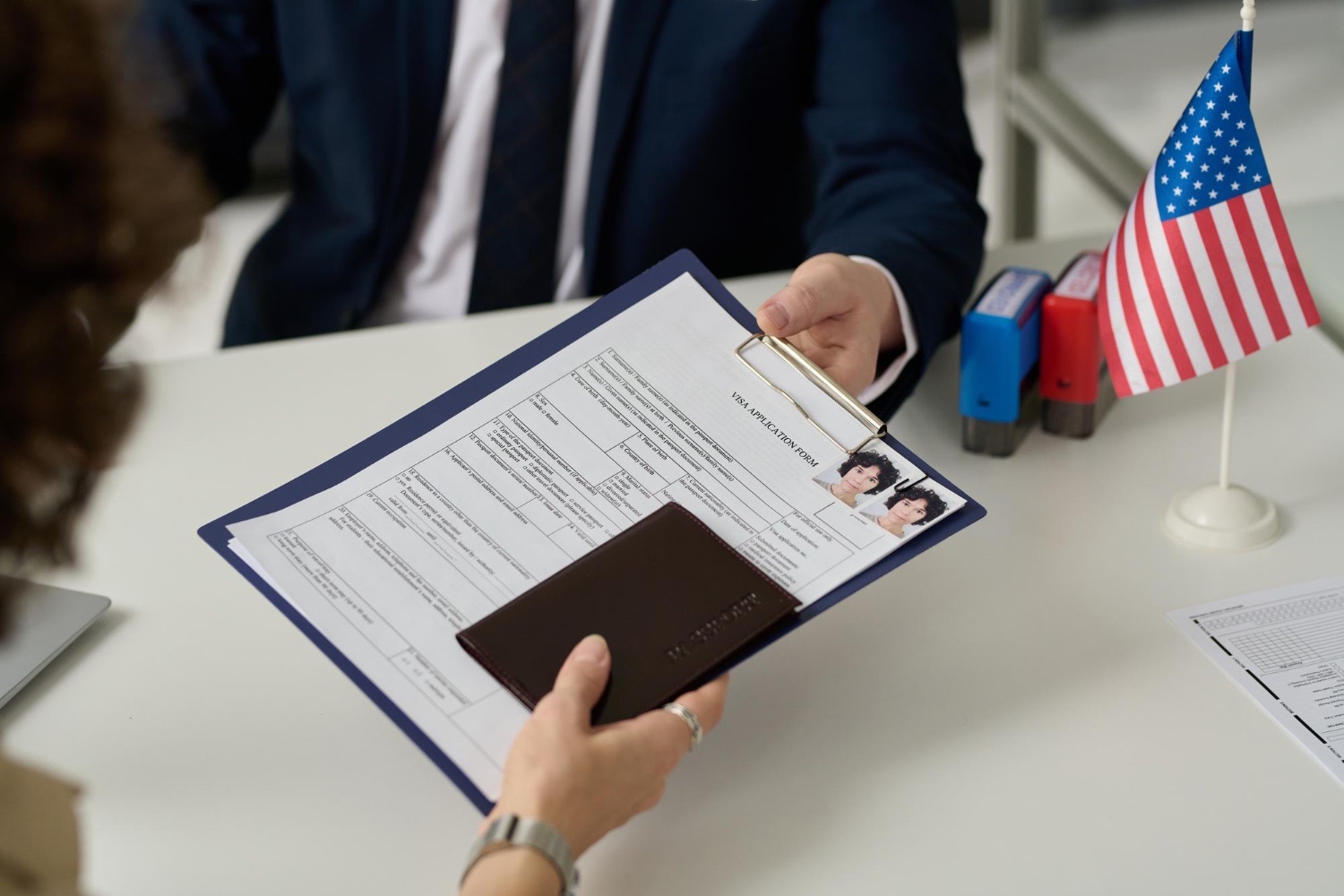
For many immigrants pursuing a visa to the United States, receiving approval of a petition from U.S. Citizenship and Immigration Services (USCIS) is a major milestone. However, petition approval is not the final step. Applicants who are outside the United States must go through consular processing, a multi-stage procedure handled by the National Visa Center (NVC) and a U.S. embassy or consulate abroad.
Understanding the steps involved in U.S. consular processing after petition approval is essential for avoiding delays, preparing accurate documentation, and ensuring a smooth transition to visa issuance. This comprehensive guide walks through each stage of the process, explains required documents, timelines, fees, and common pitfalls, and provides practical strategies for success.
What Is Consular Processing?
Consular processing is the procedure used by individuals outside the United States to apply for an immigrant visa at a U.S. embassy or consulate. It applies to family-based immigrants, employment-based immigrants, diversity visa winners, and certain special categories.
Unlike adjustment of status, which occurs within the United States, consular processing requires applicants to complete their visa application abroad and enter the U.S. after visa approval.
Official information about immigrant visas is available through the U.S. Department of State at https://travel.state.gov/content/travel/en/us-visas/immigrate.html.
Step 1: Petition Approval by USCIS
The process begins when USCIS approves an immigrant petition such as:
- Form I-130 (family-based petitions)
- Form I-140 (employment-based petitions)
Once approved, USCIS forwards the petition to the National Visa Center (NVC) for further processing.
Applicants will receive a Notice of Approval (Form I-797).
Step 2: Case Creation at the National Visa Center (NVC)
After receiving the approved petition, the NVC creates a case and assigns:
- A case number
- An invoice ID number
Applicants receive a welcome letter via email or mail with instructions for the next steps.
The NVC acts as an intermediary between USCIS and the U.S. embassy or consulate.
Step 3: Pay Required Fees
Applicants must pay visa processing fees through the Consular Electronic Application Center (CEAC).
Common fees include:
- Immigrant Visa Application Fee
- Affidavit of Support Fee (for family-based cases)
Fee payment is required before proceeding with the application.
Step 4: Complete Form DS-260
The DS-260 is the online immigrant visa application form. It must be completed through the CEAC portal.
Applicants must provide:
- Personal information
- Travel history
- Employment history
- Security and background information
Accuracy is critical, as inconsistencies may cause delays or denials.
Step 5: Submit Civil Documents and Affidavit of Support
Applicants must upload required documents to the CEAC system.
Civil Documents
- Birth certificate
- Marriage certificate (if applicable)
- Police certificates
- Passport biographic page
- Divorce or death certificates (if applicable)
Affidavit of Support
Family-based applicants must submit Form I-864, completed by the petitioner, demonstrating financial ability to support the immigrant.
Supporting financial evidence includes:
- Tax returns
- Pay stubs
- Employment verification letters
Step 6: NVC Document Review
The NVC reviews submitted forms and documents for completeness.
If everything is correct, the case is marked “documentarily qualified” (DQ).
If issues are found, the NVC will issue a checklist requesting corrections or additional documents.
Processing times vary depending on workload and case complexity.
Step 7: Interview Scheduling
Once the case is documentarily qualified and a visa number is available, the NVC schedules an interview at the appropriate U.S. embassy or consulate.
Applicants receive an appointment letter with:
- Interview date and time
- Location details
- Instructions for the next steps
Step 8: Medical Examination
Before the interview, applicants must undergo a medical examination by an authorized panel physician.
The medical exam includes:
- Physical examination
- Vaccination review
- Chest X-ray (for certain applicants)
Results are either sent directly to the embassy or provided in a sealed envelope.
Step 9: Attend the Visa Interview
The visa interview is conducted by a consular officer.
Applicants must bring:
- Appointment letter
- Passport
- Original documents
- Medical exam results
- Supporting evidence
During the interview, the officer will:
- Verify information
- Assess eligibility
- Ask questions about the application
Honesty and clarity are essential.
Step 10: Visa Decision
After the interview, the consular officer may:
- Approve the visa
- Request additional administrative processing
- Refuse the visa under specific grounds
If approved, the applicant’s passport is returned with the immigrant visa stamped inside.
Step 11: Receive Visa Packet and Travel to the United States
Applicants receive a visa packet or digital instructions for entry.
They must enter the United States before the visa expiration date, typically within six months of the medical exam.
Upon entry, the immigrant becomes a lawful permanent resident.
Step 12: Receive Green Card
After entering the U.S., the applicant will receive their Permanent Resident Card (Green Card) by mail.
Applicants may need to pay the USCIS immigrant fee before traveling.
Common Delays and How to Avoid Them
- Missing or incorrect documents
- Incomplete DS-260 form
- Delayed fee payments
- Inaccurate information
- Failure to follow embassy-specific instructions
Careful preparation can significantly reduce delays.
Administrative Processing Explained
Some cases require additional review after the interview, known as administrative processing.
This may involve:
- Background checks
- Security clearances
- Additional documentation
Processing times vary and may take weeks or months.
Tips for a Successful Consular Process
- Follow instructions carefully
- Double-check all documents
- Keep copies of everything
- Prepare thoroughly for the interview
- Monitor CEAC status regularly
Staying organized and proactive improves your chances of success.
Frequently Asked Questions
How long does consular processing take?
It varies, but typically several months depending on case type and visa availability.
Can I expedite my case?
Expedite requests may be granted in urgent situations but are not guaranteed.
What happens if my visa is refused?
You may reapply or address the refusal depending on the reason.
Conclusion
Understanding U.S. consular processing steps after petition approval is essential for navigating the immigration journey successfully. From NVC case creation to the visa interview and final entry into the United States, each stage requires careful attention to detail and timely action. By preparing accurate documentation, following official guidance, and staying informed throughout the process, applicants can minimize delays and improve their chances of obtaining an immigrant visa. Consular processing may seem complex, but with proper planning and knowledge, it becomes a manageable and structured pathway to achieving your goal of living in the United States.
 Anjola Adebanjo