
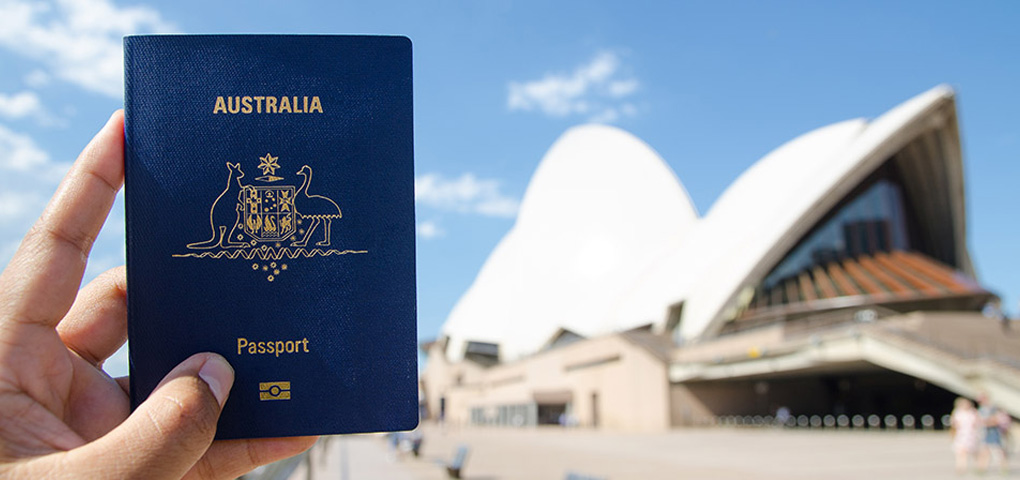
After becoming an Australian citizen, one of the first practical steps for international travel is obtaining an Australian travel facility. While Australian citizenship grants the right to an Australian passport, the “travel facility” refers to the entry and exit privileges tied to the passport, ensuring smooth international travel and re-entry into Australia. Understanding the application process, eligibility, required documents, and processing timelines is essential to avoid travel disruptions. This guide provides a comprehensive overview of how to secure travel facilities after acquiring Australian citizenship.
What Is an Australian Travel Facility
In the context of Australian citizenship, the travel facility generally refers to the right to apply for an Australian passport and the associated privileges that allow citizens to leave and return to Australia freely. While all Australian citizens have the legal right to enter the country at any time, the travel facility ensures that you have valid documentation recognized internationally. The Australian Passport Office explains this at passports.gov.au.
Who Is Eligible
To access the Australian travel facility after citizenship, you must:
- Be a confirmed Australian citizen (by birth, descent, or naturalization).
- Have proof of citizenship, such as a citizenship certificate.
- Be able to provide valid identification documents.
- Meet passport requirements if applying for a new passport or renewing an existing one.
Children under 16 years old require additional documentation, including parental consent, and may need a shorter validity passport.
Steps to Apply for Australian Travel Facility
1. Obtain Your Australian Citizenship Certificate
Before applying for travel documentation, you must have your citizenship certificate. This certificate is issued after the citizenship ceremony or by the Department of Home Affairs for citizenship by descent or other pathways. You can verify your certificate at homeaffairs.gov.au.
2. Complete the Passport Application
The travel facility is accessed primarily through applying for an Australian passport. You can:
- Apply online through the Australian Passport Office website.
- Submit a paper application at an Australia Post outlet or passport office.
The application form requires personal details, proof of citizenship, proof of identity, and recent passport-quality photos.
3. Provide Identification Documents
Documents required typically include:
- Australian citizenship certificate (original).
- Valid photo ID, such as a driver’s license or current passport (if renewing).
- Proof of name change (if applicable).
- Two passport-sized photos that meet official specifications.
Children and applicants under 18 have additional parental consent requirements.
4. Pay the Passport Fee
Fees vary based on passport type and validity:
- 10-year adult passport
- 5-year passport for children
- Emergency or priority passports
Current fees are available on passports.gov.au. Payments can usually be made online, by mail, or in person.
5. Submit the Application
Applications can be submitted in person at an Australia Post outlet, passport office, or via a combination of online and in-person verification. In-person submission is often required for first-time adult applicants to verify original identity documents.
6. Attend an Interview or Identity Verification (If Required)
The Passport Office may request additional verification, especially for first-time adult applicants or if there are discrepancies in documents. This ensures security and reduces fraud risks.
7. Wait for Processing
Standard passport processing times typically range from 3 to 6 weeks. Priority processing is available at an extra cost. Applicants can track progress online. Once issued, the passport serves as the travel facility, allowing international travel and re-entry into Australia.
Additional Considerations
- Emergency Travel: If you need to travel urgently, Australia offers emergency passports with shorter validity.
- Multiple Citizenships: Australian citizens holding dual nationality should ensure compliance with both countries’ travel requirements.
- Children and Dependents: Children require additional documentation, including parental consent and identity verification.
- Lost Citizenship Certificate: A replacement certificate must be obtained before applying for a passport if your original certificate is lost.
Tips for a Smooth Application
- Always submit original documents; photocopies are generally not accepted.
- Ensure passport photos meet specifications (size, background, facial expression).
- Apply well in advance of planned international travel.
- Keep your citizenship certificate in a safe place; it is required for all passport applications.
- Check the Department of Home Affairs and Australian Passport Office websites for updated requirements.
Conclusion
Obtaining the Australian travel facility after citizenship is a straightforward process centered on applying for an Australian passport. By following the official steps—ensuring proof of citizenship, completing the application correctly, and providing valid identification—you secure the ability to travel internationally and re-enter Australia without complications. Planning ahead, understanding document requirements, and using official channels are key to avoiding delays and ensuring a smooth transition to enjoying your full rights as an Australian citizen.