
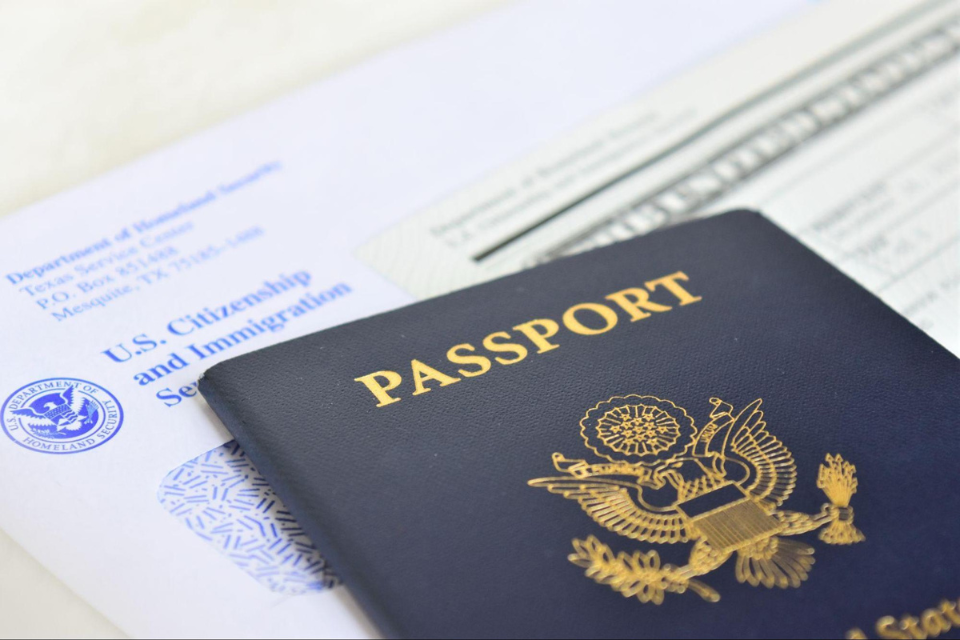
Advance Parole is a critical immigration benefit for individuals adjusting status in the United States who need to travel internationally while their green card application is pending. Without Advance Parole, departing the US during the adjustment of status process can result in the application being considered abandoned, leading to serious immigration consequences. For family-based applicants, employment-based immigrants, asylum applicants, and other eligible categories, understanding how Advance Parole works, who qualifies, and how to apply correctly is essential for maintaining lawful progress toward permanent residence. This comprehensive guide explains Advance Parole in detail, outlines the step-by-step application process, highlights common mistakes, and links to authoritative US government resources to ensure accuracy and compliance.
What Is Advance Parole and Why It Matters
Advance Parole is a travel authorization issued by US Citizenship and Immigration Services that allows certain noncitizens to re-enter the United States after temporary travel abroad without abandoning their pending adjustment of status application. It is not a visa and does not guarantee admission, but it allows the applicant to appear at a US port of entry and request parole into the country.
For individuals adjusting status through Form I-485, Application to Register Permanent Residence or Adjust Status, Advance Parole is often the only lawful way to travel internationally while the application is pending. USCIS treats most departures without Advance Parole as an automatic withdrawal of the adjustment application, regardless of intent.
Official guidance on Advance Parole is provided by USCIS at https://www.uscis.gov/green-card/green-card-processes-and-procedures/travel-documents.
Who Needs Advance Parole While Adjusting Status
Most adjustment of status applicants require Advance Parole before traveling outside the US. This includes applicants adjusting through family sponsorship, employment-based categories, diversity visas, and certain humanitarian programs. However, there are limited exceptions.
Individuals in valid H-1B or L-1 nonimmigrant status, and their dependents in H-4 or L-2 status, may be able to travel without Advance Parole if they maintain valid status and re-enter using the same visa classification. Even so, many attorneys recommend Advance Parole as a safeguard, especially if visa renewal or consular processing risks exist.
Applicants with pending asylum-based adjustment, TPS-based adjustment, or other humanitarian categories almost always require Advance Parole. Detailed eligibility rules are explained by USCIS at https://www.uscis.gov/i-131.
Situations Where Advance Parole Is Not Granted
Advance Parole is discretionary and not automatically approved. Applicants with certain immigration violations or inadmissibility issues may be denied. Individuals with prior unlawful presence, removal orders, or certain criminal histories should consult an immigration attorney before applying or traveling.
Additionally, individuals who have already departed the US without Advance Parole while an I-485 was pending generally cannot retroactively cure the abandonment of their application.
When You Should Apply for Advance Parole
The best time to apply for Advance Parole is concurrently with the adjustment of status application. USCIS allows applicants to file Form I-131, Application for Travel Document, at the same time as Form I-485. When filed together, there is typically no additional filing fee for Advance Parole, as it is included in the I-485 fee.
If the I-485 is already pending, Advance Parole can be filed at any time while the case remains open. However, applicants should not make travel plans until the Advance Parole document has been approved and physically received.
Current filing fee information is published by USCIS at https://www.uscis.gov/forms/filing-fees.
Step-by-Step Process to Apply for Advance Parole
The Advance Parole application process begins with completing Form I-131. This form is used for multiple travel document types, so careful attention to the correct sections is essential.
In Part 2 of Form I-131, adjustment applicants must select the option indicating they are applying for an Advance Parole Document to allow re-entry after temporary foreign travel. The form requires biographic information, travel history, and the intended purpose of travel. While USCIS does not require a specific reason such as emergency travel, applicants must indicate whether travel is for personal, business, or humanitarian reasons.
Supporting documents typically include a copy of the I-485 receipt notice, a government-issued photo ID such as a passport biographic page, two passport-style photos if required, and any prior Advance Parole documents if applicable. USCIS instructions for Form I-131 are available at https://www.uscis.gov/i-131.
Once completed, the application is mailed to the appropriate USCIS lockbox or service center based on the applicant’s eligibility category and filing location. USCIS provides an official filing address calculator at https://www.uscis.gov/addresses.
Biometrics and Processing Timeline
After filing Form I-131, USCIS may schedule a biometrics appointment if the applicant has not already completed biometrics for the I-485. In many cases, previously captured biometrics are reused.
Processing times for Advance Parole vary widely depending on workload and service center. On average, applicants should expect processing to take between three and six months, though delays are common. USCIS publishes real-time processing estimates at https://egov.uscis.gov/processing-times.
In some cases, applicants may receive a “combo card,” which combines the Employment Authorization Document and Advance Parole into a single card. This document typically states “Serves as I-512 Advance Parole.”
Emergency and Expedited Advance Parole
USCIS may grant expedited Advance Parole in urgent situations such as serious illness of a close relative, death in the family, or critical business needs. Emergency Advance Parole can sometimes be issued by a local USCIS field office with same-day or short-notice approval.
To request emergency Advance Parole, applicants generally must schedule an InfoPass or emergency appointment and provide documentary evidence of the emergency, such as medical records or death certificates. USCIS emergency travel guidance is outlined at https://www.uscis.gov/visit-us/find-a-uscis-office.
Traveling on Advance Parole: What to Expect
Advance Parole does not guarantee admission to the United States. Upon return, the applicant is inspected by US Customs and Border Protection and paroled into the country. CBP has the authority to deny entry if new inadmissibility issues are identified.
Travelers must carry their Advance Parole document, valid passport, and copies of I-485 receipt notices. It is also advisable to carry proof of ongoing ties to the US, such as lease agreements or employment records.
CBP parole authority is explained at https://www.cbp.gov.
Risks and Special Considerations
Applicants with prior unlawful presence should be especially cautious. Although Advance Parole can, in some cases, prevent triggering unlawful presence bars, the legal analysis is complex and fact-specific. USCIS policy on unlawful presence and Advance Parole has evolved, making professional legal advice strongly recommended.
Similarly, individuals with pending waivers, prior immigration fraud issues, or criminal records face higher risks when traveling, even with Advance Parole approval.
Advance Parole Validity and Multiple Entries
Advance Parole documents are usually valid for one year and may allow for multiple entries if specified on the document. Applicants must ensure their travel occurs within the validity period and that their I-485 remains pending at the time of re-entry.
If the Advance Parole expires while abroad, re-entry may not be possible. Monitoring expiration dates is critical.
What Happens If Advance Parole Is Denied
If USCIS denies Advance Parole, the applicant generally remains eligible to continue adjusting status as long as they do not travel. Denial does not automatically affect the underlying I-485 unless there are serious eligibility issues.
Applicants may reapply for Advance Parole or address the denial reason through additional documentation if appropriate.
Impact of Advance Parole on Adjustment of Status
Proper use of Advance Parole allows adjustment applicants to maintain continuity of their green card process while attending to international obligations. Upon return, the applicant resumes the adjustment process without penalty, provided all conditions are met.
Importantly, Advance Parole travel does not convert the applicant back to nonimmigrant status; the individual remains an adjustment applicant paroled into the US.
Advance Parole and Employment Authorization
Many applicants receive Advance Parole in conjunction with employment authorization. While these benefits are often bundled, they are legally distinct. Employment authorization allows lawful work, while Advance Parole governs travel.
Loss or expiration of one benefit does not automatically terminate the other, but both must be monitored carefully.
Common Mistakes to Avoid
Frequent mistakes include traveling before approval, assuming a visa stamp replaces Advance Parole, misplacing the original document, or traveling after Advance Parole expiration. Another common error is failing to disclose prior immigration violations, which can surface during re-entry inspection.
Careful preparation and document review reduce these risks significantly.
Conclusion
Applying for Advance Parole while adjusting status in the US is a vital step for individuals who need international travel flexibility during the green card process. While the application itself is relatively straightforward, the legal consequences of mistakes can be severe. By filing Form I-131 correctly, understanding eligibility rules, monitoring processing timelines, and traveling cautiously, applicants can protect their adjustment of status and avoid unnecessary setbacks.
Advance Parole offers freedom of movement during a period that is otherwise restrictive, but it must be used responsibly and strategically. With accurate information, careful planning, and reliance on official USCIS guidance, adjustment applicants can navigate Advance Parole successfully while continuing their path toward permanent residence in the United States.
 Anjola Adebanjo